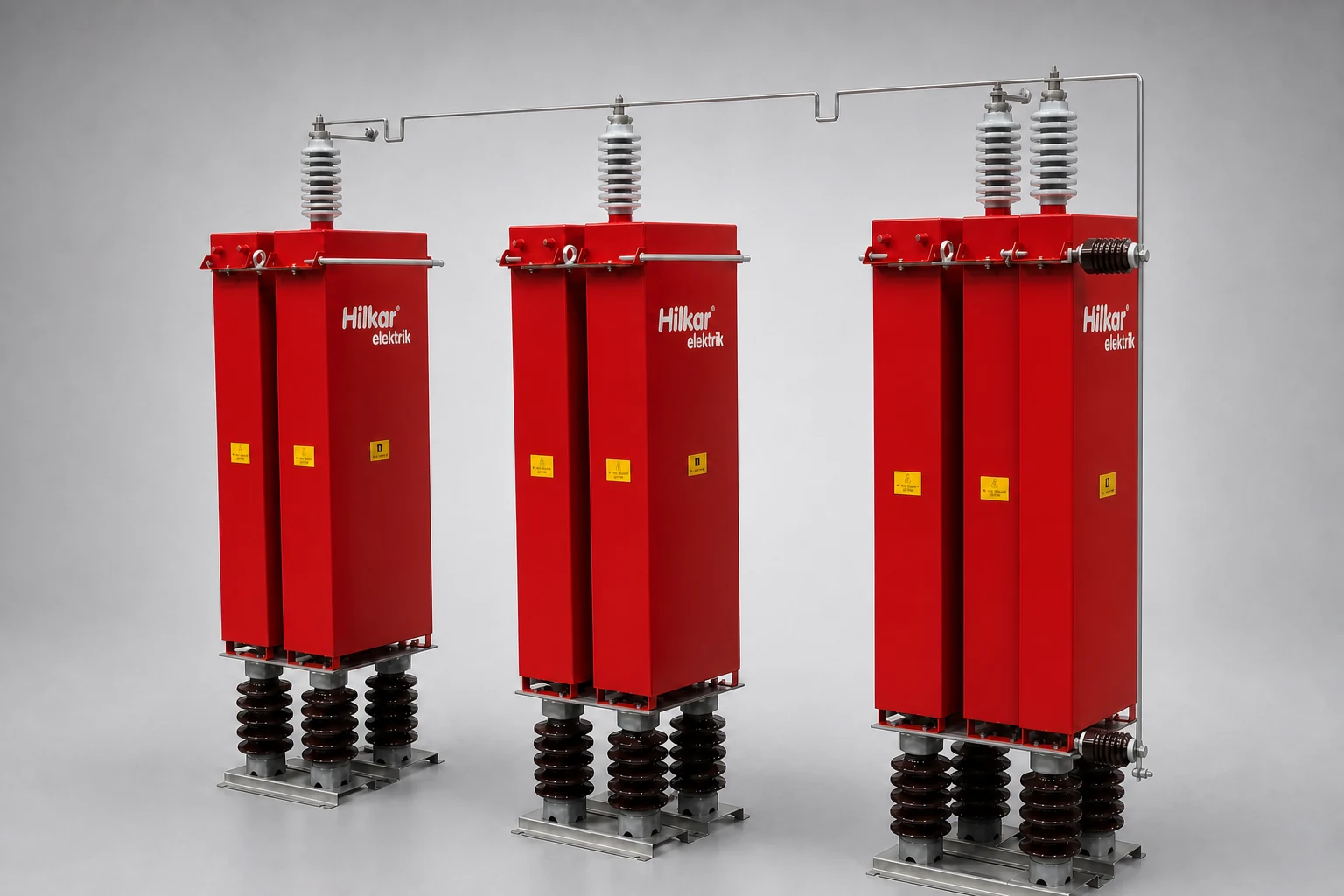
Compact RC Snubber Filters protect electrical equipment from insulation failures caused by switching transients and high-frequency surge voltages in generators, reactors, motors, and transformers. Without adequate transient protection, steep-front surges can damage winding insulation, leading to costly repairs, unexpected downtime, and reduced equipment lifetime.
RC Snubber Filters act as high-frequency transient surge suppressors, reducing switching overvoltages generated by switchgear operations and limiting steep wave-front surges at equipment terminals. This improves system reliability and significantly reduces maintenance and operational costs.
- Reduce production downtime and improve operational reliability
- Enhance protection against internal insulation failures
- Extend the service life of motors, transformers, generators, and reactors
- Reduce the risk of circuit breaker pre-strike, restrike, and re-ignition phenomena
- Limit voltage transient magnitude and rate of rise
- Easy installation and integration into existing systems
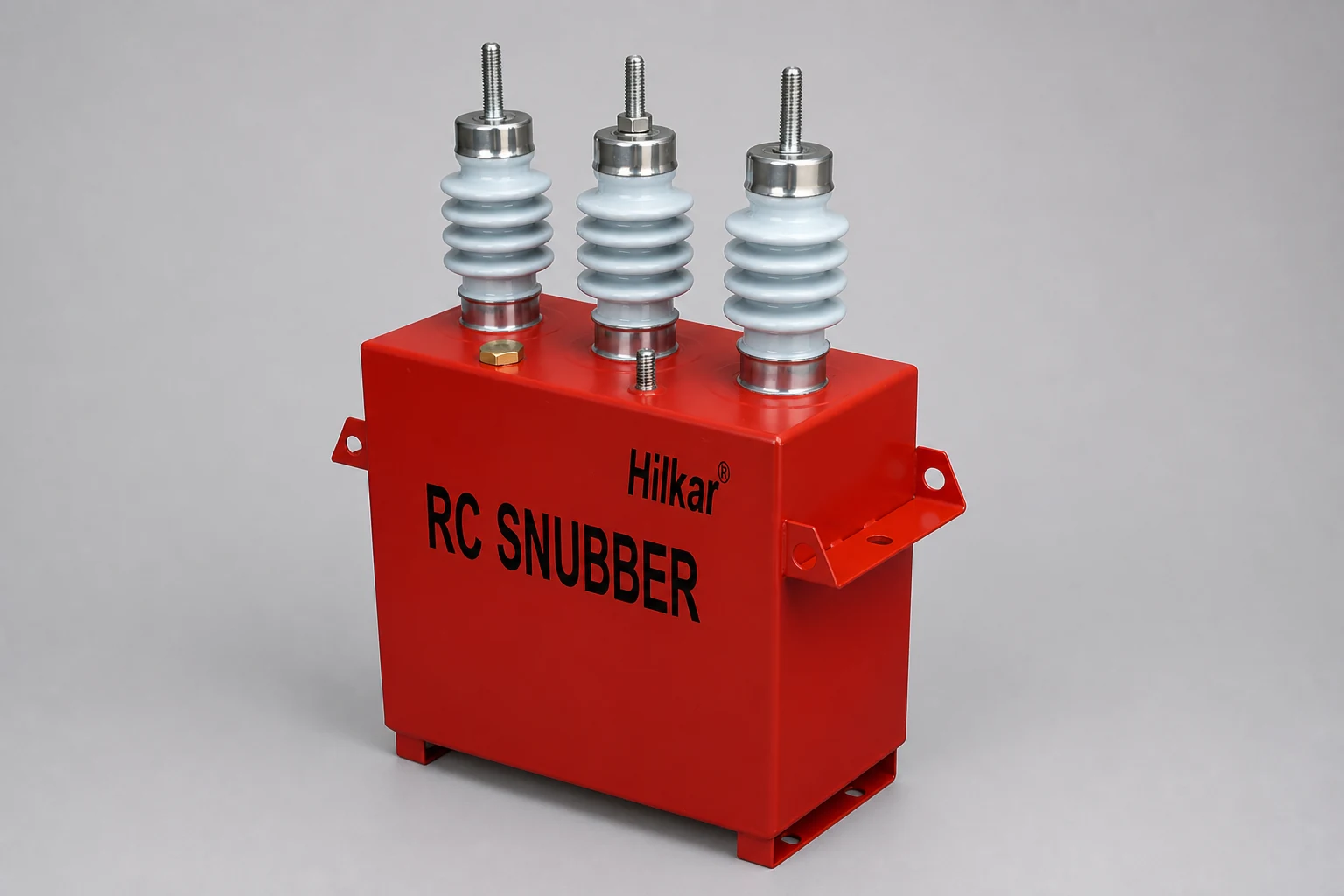
- Power Generation Plants
- Pulp and Paper Industry
- Petrochemical Industry
- Chemical Processing Plants
- Surface and Underground Mining
- Water and Oil Pumping Stations
- Railway Systems
- Large Motor Applications
- Arc Furnaces
- Transformer and Reactor Protection
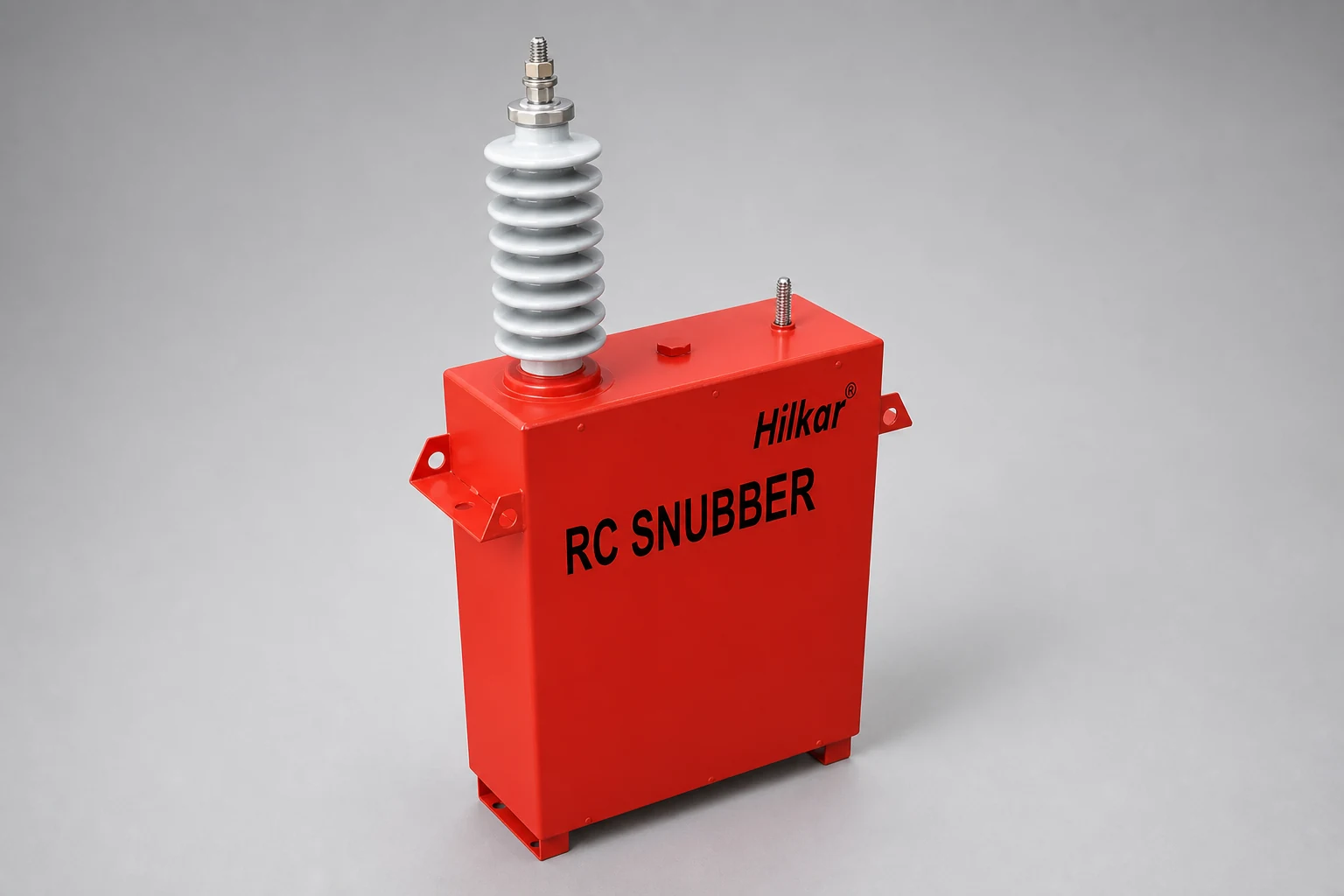
- Protection against practical surge peaks and steep-front transients
- Compliance with motor impulse voltage limits recommended by CIGRE and IEEE
- Suppression of pre-strike and restrike switching transients
- Reduction of voltage doubling effects through matched cable termination impedance
- Suppression of current reflection phenomena and higher harmonic current zeros during switching operations
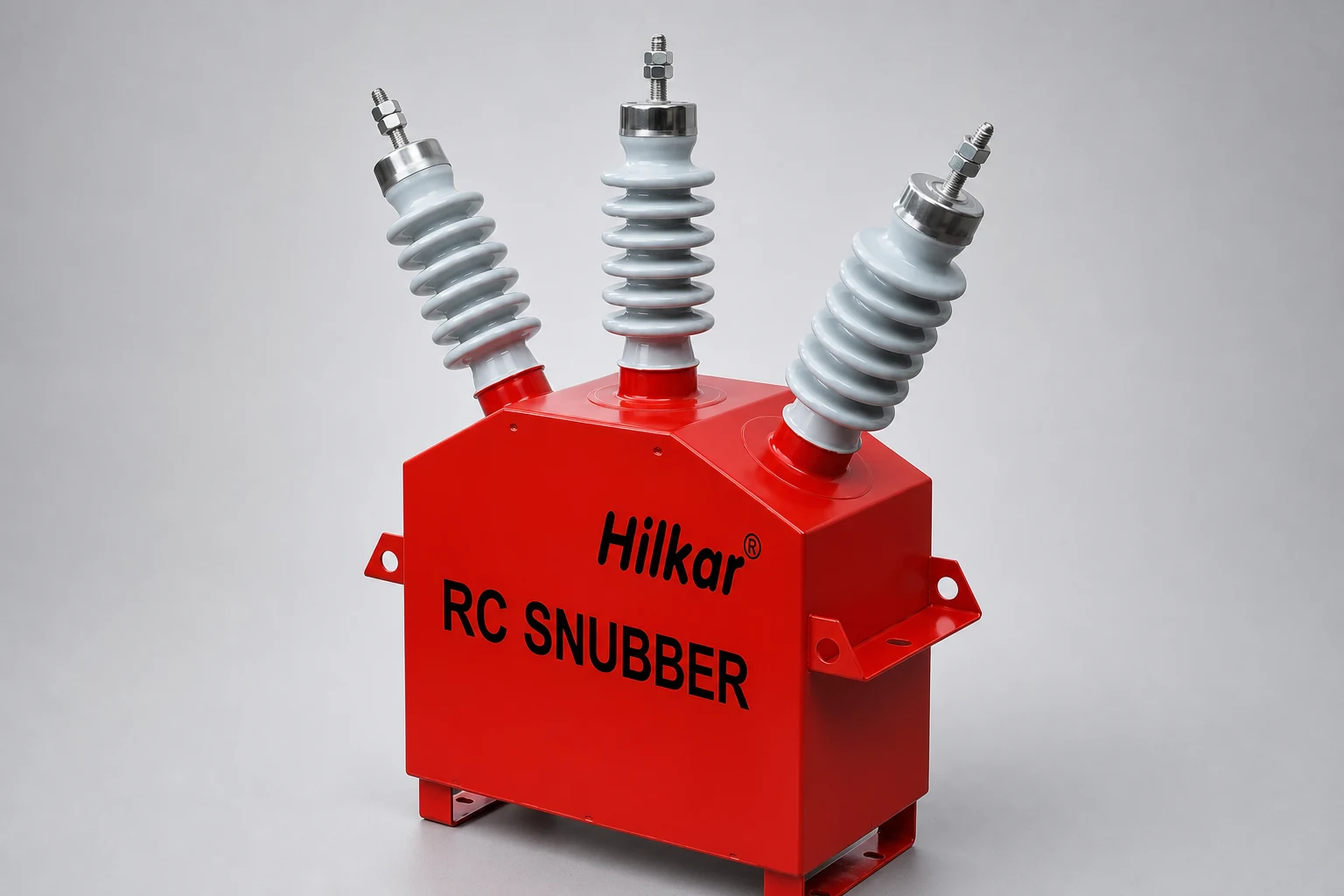
- Operating voltage up to 36 kV
- Compact all-in-one design integrating R, C, and LA components in a single enclosure
- Impulse withstand voltage up to 200 kV BIL
- Surge capacitance ratings from 0.1 to 2 µF, depending on site and application requirements
- Surge resistance ratings from 1 to 200 Ω, depending on site and application requirements
- Factory assembled, tested, and ready for installation
RC snubbers, also known as RC dampers or RC suppressors, provide effective protection against switching transients and overvoltages. Compared with an unprotected network (CASE-A), a system equipped with an RC Snubber and Surge Arrester (CASE-B) significantly reduces both the peak value and rate of rise of transient voltages. By damping Transient Recovery Voltage (TRV) and limiting steep wave-front surges generated during Circuit Breaker (CB) switching operations, the RC Snubber keeps transient voltages within the equipment's specified insulation withstand limits, improving system reliability and extending equipment life.
*TRV: Transient Recovery Voltage • CB: Circuit Breaker
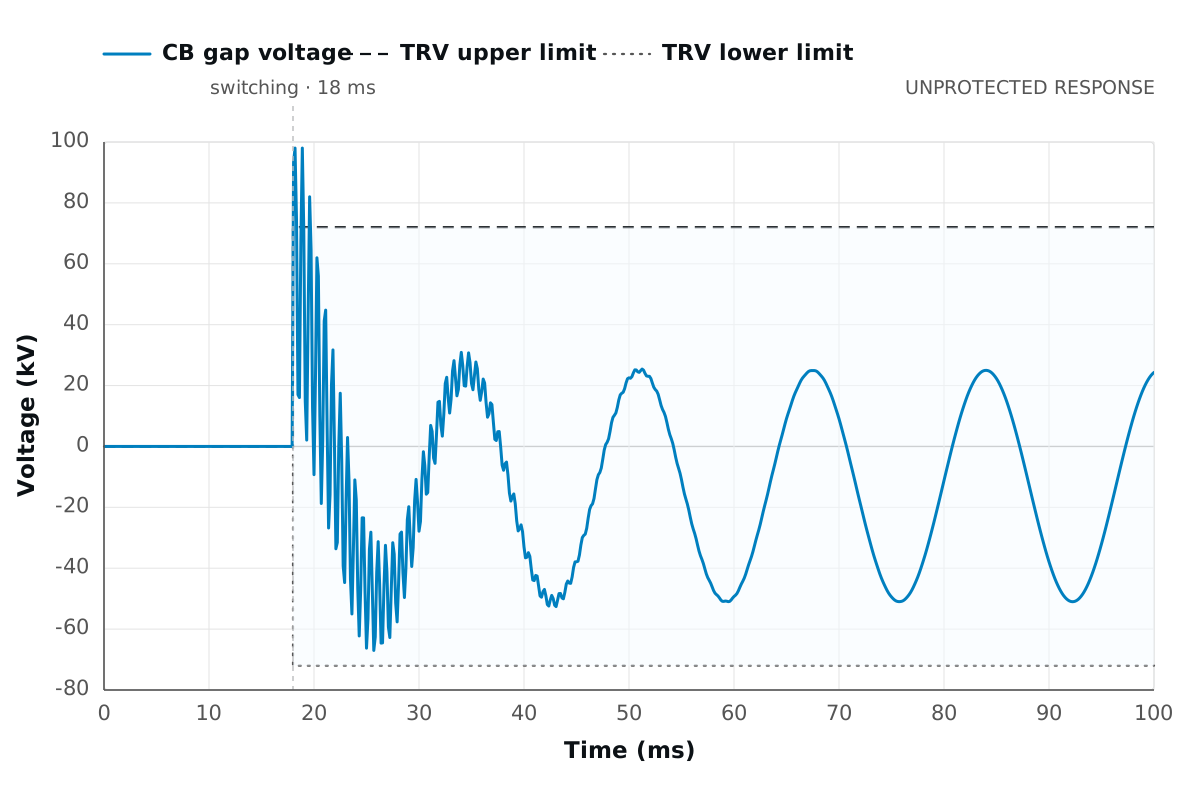
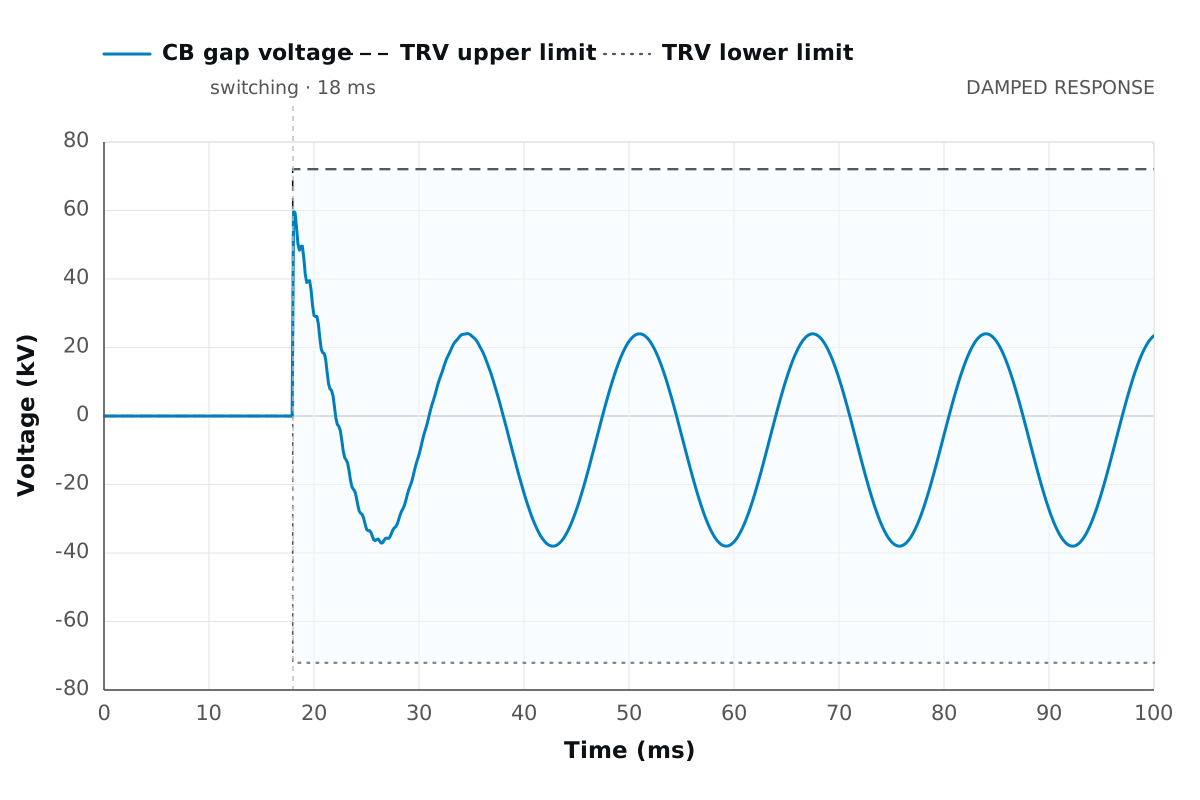
Hilkar RC Snubber Filters are custom-designed for 1 kV to 36 kV, single-phase or three-phase 50/60 Hz power systems. They provide effective protection for motors, transformers, reactors, and generators against switching transients.
Single-phase and three-phase RC Snubber solutions are available and are engineered to meet specific application requirements. Each unit combines capacitors, resistors, and surge arresters to suppress transient overvoltages and damp high-frequency oscillations. Please contact the factory for applications outside the standard voltage range or for custom designs.
- R
- Resistor
- C
- Capacitor
- LA
- Surge arrester
- R
- Resistor
- C
- Capacitor
- LA
- Surge arrester
For optimum performance, Hilkar RC Snubber Filters should be installed as follows:
- Install in the protected equipment's terminal box or associated switch panel, connected between each phase and ground.
- Connect to the equipment terminals using a minimum 3 × 25/16 mm² cable and the supplied accessories.
- Ground the RC Snubber to the motor, transformer, or circuit breaker earth connection.
- For porcelain bushings, use flexible leads to prevent damage caused by shock or vibration during transportation and operation.
- Do not tighten the fixing nuts beyond 20 Nm.
- Flexible leads may be shortened if necessary, but must not be extended, and should be connected directly to the protected equipment terminals.